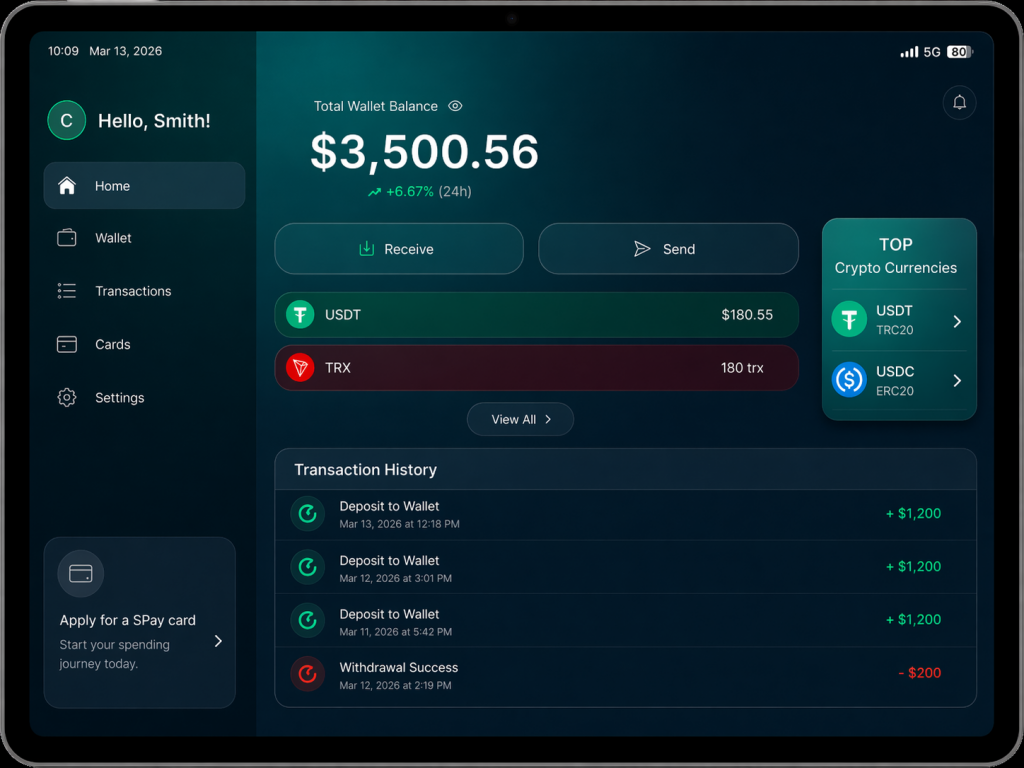
When sending USDC (USD Coin), understanding the associated wallet fees can make a significant difference in how you use and manage your digital assets. While USDC is designed to provide a reliable, efficient way to transfer value, it’s important to be aware of the potential costs involved in transactions.
This guide will break down the key factors influencing USDC wallet fees so that you can use it more effectively.
What Are USDC Wallet Fees?
Wallet fees for USDC transactions typically refer to the costs involved in moving the stablecoin from one wallet to another. Unlike traditional financial systems, where fees are often determined by banks or payment processors, USDC fees depend largely on the blockchain you’re utilizing. For example, networks like Ethereum charge “gas fees” to process and verify your transaction. These fees vary depending on network traffic and demand at the time of the transaction.
How Are Fees Determined?
The main factor affecting USDC wallet fees is the blockchain’s operational cost. For instance:
- Ethereum Blockchain: USDC sent on the Ethereum network incurs gas fees, which have a reputation for being higher during peak activity.
- Other Networks: Alternatives like Solana or Algorand are gaining traction because of their lower transaction costs and faster processing times.
Each blockchain’s fee structure is unique. It’s worth exploring these options to find one that aligns with your transaction needs.
Tips for Reducing Costs
To minimize fees when sending USDC, consider these strategies:
- Choose Low-Cost Blockchains: Blockchains like Solana or Avalanche are often less expensive alternatives to Ethereum. By transferring USDC on these platforms, you can keep your costs lower.
- Time Your Transactions: Fees on networks like Ethereum fluctuate depending on demand. Transacting during off-peak hours can result in lower fees.
- Batch Transactions: If you need to send USDC to multiple recipients, combining transfers into a single transaction can reduce costs.
Additional Factors to Keep in Mind
While wallet fees are a key consideration, don’t forget other costs like exchange withdrawal fees, wallet maintenance costs (if applicable), and conversion fees if swapping currencies. These can add up and influence how much value you retain in your transactions.
By staying informed about USDC wallet fees and making smart decisions about timing, network options, and transaction methods, you can ensure that your transfers remain cost-effective without sacrificing convenience.